
Why Now?
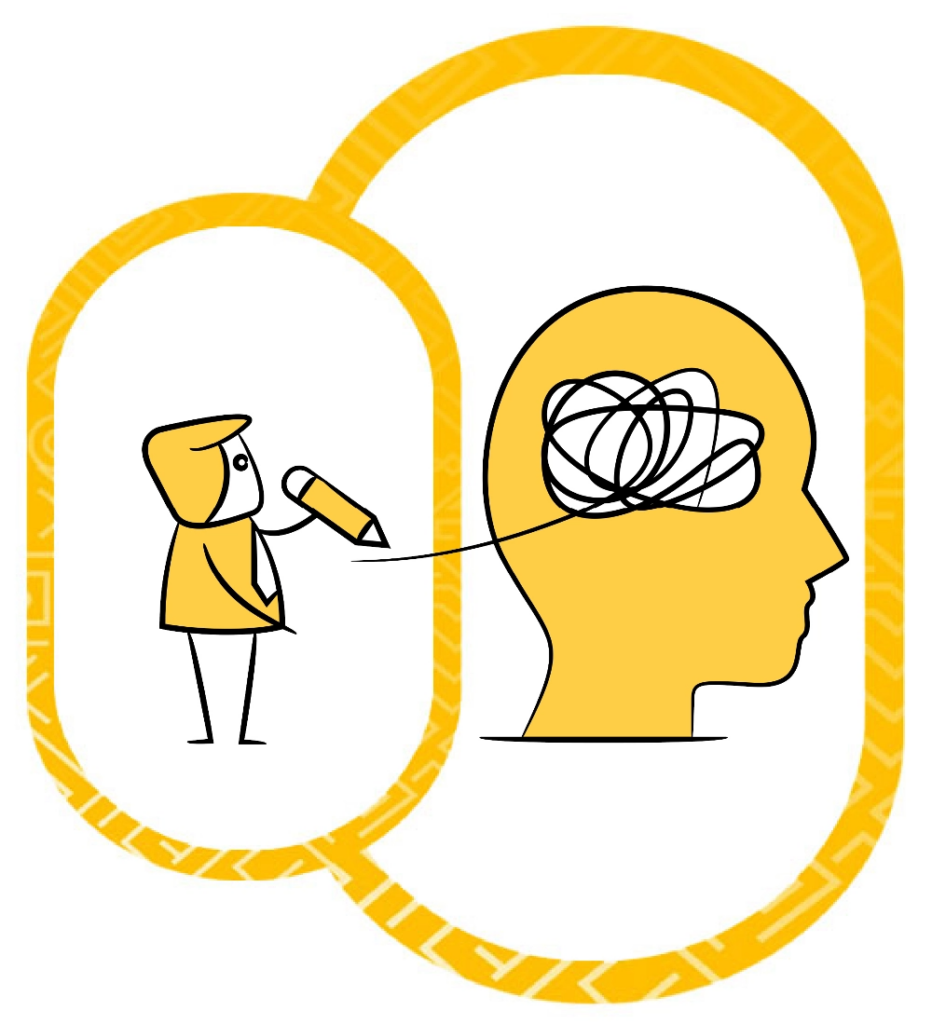
Marketing has entered a new phase
For decades, marketing has evolved through advancements in
media, technology, and data. Each wave has made it faster, more measurable, and more scalable. Organisations have learned how
to optimise campaigns, refine targeting, and improve efficiency.
But something more fundamental has changed.
The way brands communicate has evolved rapidly. The way people decide has not.
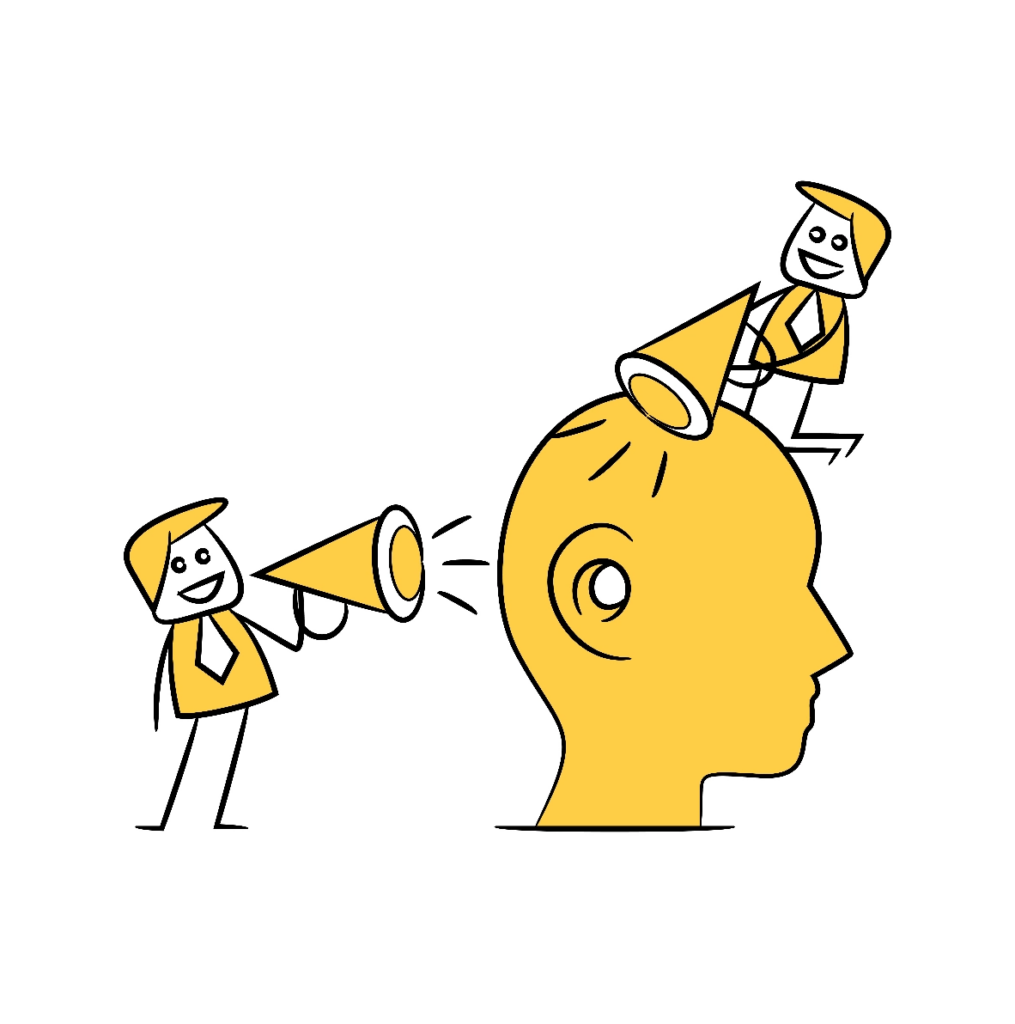
Content is no longer a competitive advantage
As more brands generate more content, visibility alone is
no longer enough. Consumers are exposed to thousands of
messages daily. The brain filters most of them out, focusing
only on what feels clear, familiar, and relevant.
In this environment, creating more content does not
guarantee impact. Being understood does.
As more brands generate more content, visibility alone is no longer enough. Consumers are exposed to thousands of messages daily. The brain filters most of them out, focusing only on what feels clear, familiar, and relevant.
In this environment, creating more content does not guarantee impact. Being understood does.
AI can generate your message.
But it cannot decide how your brand is felt.
Decisions Are Still Human
Despite advances in technology,
decision-making remains deeply human.
People rely on:
Despite advances in technology, decision-making remains deeply human. People rely on:
Memory
Emotion
Familiarity
They do not evaluate every option. They choose what feels easiest to trust.
This creates a gap between how brands communicate and how customers actually decide.
Across African markets, this dynamic is even more pronounced.
As digital adoption grows, so does competition and choice.
At the same time, trust, familiarity, and social influence remain central to how decisions are made.
Brands that are easier to recognise, easier to understand, and easier to trust gain a clear advantage.
They do not evaluate every option. They choose what feels easiest to trust. This creates a gap between how brands communicate and how customers actually decide.
Across African markets, this dynamic is even more pronounced.
As digital adoption grows, so does competition and choice. At the same time, trust, familiarity, and social influence remain central to how decisions are made. Brands that are easier to recognise, easier to understand, and easier to trust gain a clear advantage.

The emergence of NeuroBranding
NeuroBranding brings together insights from neuroscience,
behavioural psychology, and cognitive science to understand how
brands are perceived, remembered, and chosen. Rather than
focusing solely on communication output, it examines the mental
processes that drive preference and behaviour.
This includes how attention is captured, how memory is formed, how trust develops, and how decisions are made under conditions of uncertainty.
By understanding these mechanisms, organisations can design
brands that are not only visible, but meaningful — not only present, but preferred.
NeuroBranding brings together insights from neuroscience, behavioural psychology, and cognitive science to understand how brands are perceived, remembered, and chosen. Rather than focusing solely on communication output, it examines the mental processes that drive preference and behaviour.
This includes how attention is captured, how memory is formed, how trust develops, and how decisions are made under conditions of uncertainty.
By understanding these mechanisms, organisations can design brands that are not only visible, but meaningful — not only present, but preferred.

The question is no longer “if”
The integration of behavioural science and neuroscience into
marketing is already underway globally. Leading
organisations are embedding these principles into how they
design brands, evaluate communication, and make strategic
decisions.
The question is no longer whether this shift will happen. It is
how quickly organisations will adapt to it.
Because as technology continues to scale content, the
advantage shifts. Not to those who produce more, but to
those who understand the human mind better.
The integration of behavioural science and neuroscience into marketing is already underway globally. Leading organisations are embedding these principles into how they design brands, evaluate communication, and make strategic decisions.
The question is no longer whether this shift will happen. It is how quickly organisations will adapt to it.
Because as technology continues to scale content, the advantage shifts. Not to those who produce more, but to those who understand the human mind better.
When you start seeing your brand the way customers do,
you start making very different decisions.
When you start seeing your brand the way customers do, you start making very different decisions.
The opportunity
NeuroBranding Academy Africa was created to help organisations and leaders understand and apply
this shift in a practical and commercially relevant way.
Through:
we equip you with the frameworks to compete in a world where understanding people is the ultimate advantage.